Bird cremation, from a finch to a macaw, handled with care
A bird leaves behind only 3-5% of body weight[1] in ashes, so for a budgie that can be less than a teaspoon. We help you decide what matters, from feathers to a necropsy, and find a provider who handles small bodies properly.
- Honest answers about how much ash comes home
- Feather keepsakes and necropsy timing sorted first
- Options for single birds, bonded pairs and flocks
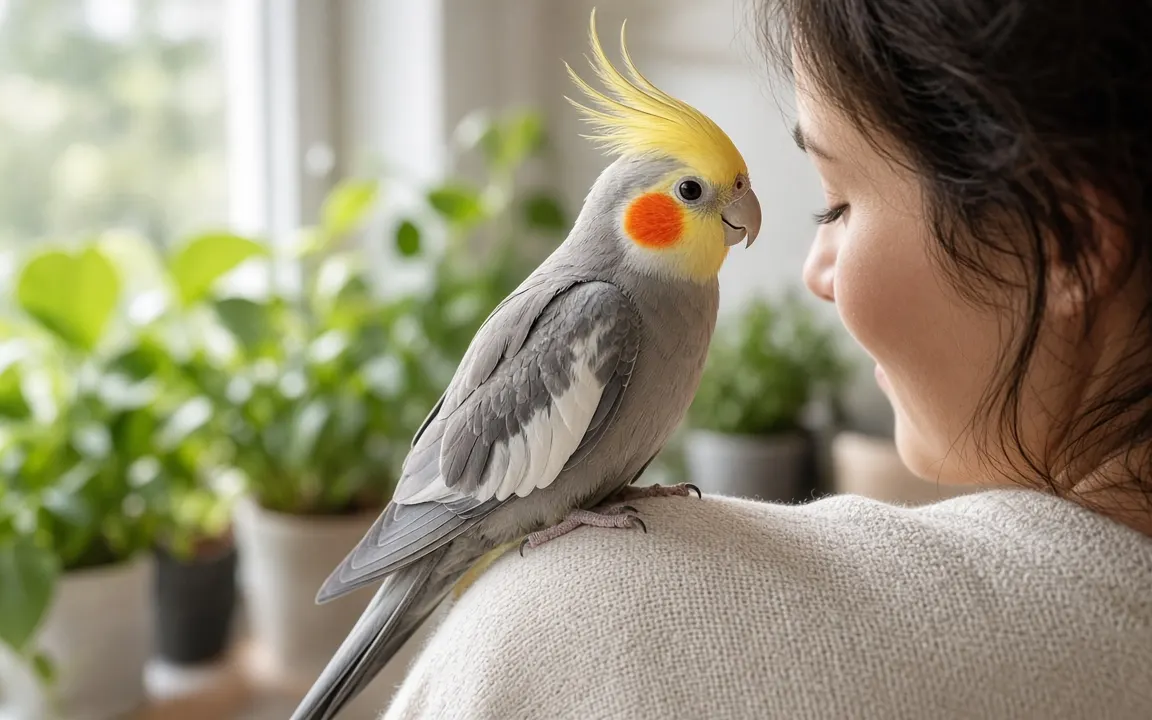
If your bird has just died
The first few hours after your bird dies
Many bird deaths feel sudden. Birds are prey animals and instinctively hide weakness, so a cockatiel that was whistling yesterday can be found on the cage floor this morning. If that's what happened, you haven't missed something obvious. Take a breath before you do anything else.
Put on disposable gloves if you have them, or wash your hands well afterwards. Some bird illnesses, including psittacosis, a bacterial infection parrots can pass to people (the CDC's psittacosis overview explains how it spreads), spread through dried droppings and feather dust. Wrap your bird loosely in a paper towel or soft cloth, place them in a clean bag or small box, and keep them somewhere cool.
Then look at who is left. If your bird shared a cage or aviary, check the other birds for fluffed feathers, tail bobbing or changed droppings, and call your avian vet if anything looks off. Our notes on caring for flockmates after a loss cover what to watch in the first week.
A decision that can't wait
Should you find out why your bird died before cremation?
Once your bird is cremated, the chance to learn what happened is gone. A necropsy can identify infections, toxins such as zinc from cage wire or fumes from overheated non-stick pans, and conditions that might affect birds still living with you. It isn't for everyone, and it isn't required. But it matters most when there are other birds in the house.
Backyard poultry and aviary birds need extra thought. Highly pathogenic avian influenza has been found widely in wild birds in the US, with 15,542 detections[2] recorded in wild bird surveillance since late 2021, according to the USDA APHIS avian influenza epidemiology report. Several hens dying suddenly, swollen heads or purple combs are reasons to call your vet or state veterinarian before arranging any cremation, because official rules may decide how the bodies are handled.
If you do want a necropsy, your vet usually sends your bird to a diagnostic lab and many labs can then pass the body on for cremation. Say from the start that you want your bird's ashes back, so everyone in the chain knows. When you send us your details, mention the necropsy and we'll look for providers who coordinate with labs.
Would you want a necropsy to find out why your bird died?
Tap an answer to vote and see how others answered. Anonymous.
The main decision
Private cremation, communal, or feathers only?
In a private cremation, your bird is cremated alone and everything returned belongs to them. In a communal cremation, several animals are cremated together and no ashes come back. For birds there's a third path people often forget: choose communal cremation and keep a handful of feathers as the lasting keepsake.
The honest reason this matters for birds: bird skeletons are light and many bones are hollow, so there is very little to return. A 35 g budgie may leave a gram or two of ash, sometimes less. A 1 kg macaw returns enough to fill a small keepsake urn. Some providers use a small tray inside the chamber so that tiny remains can be recovered, and it's worth asking whether they do.
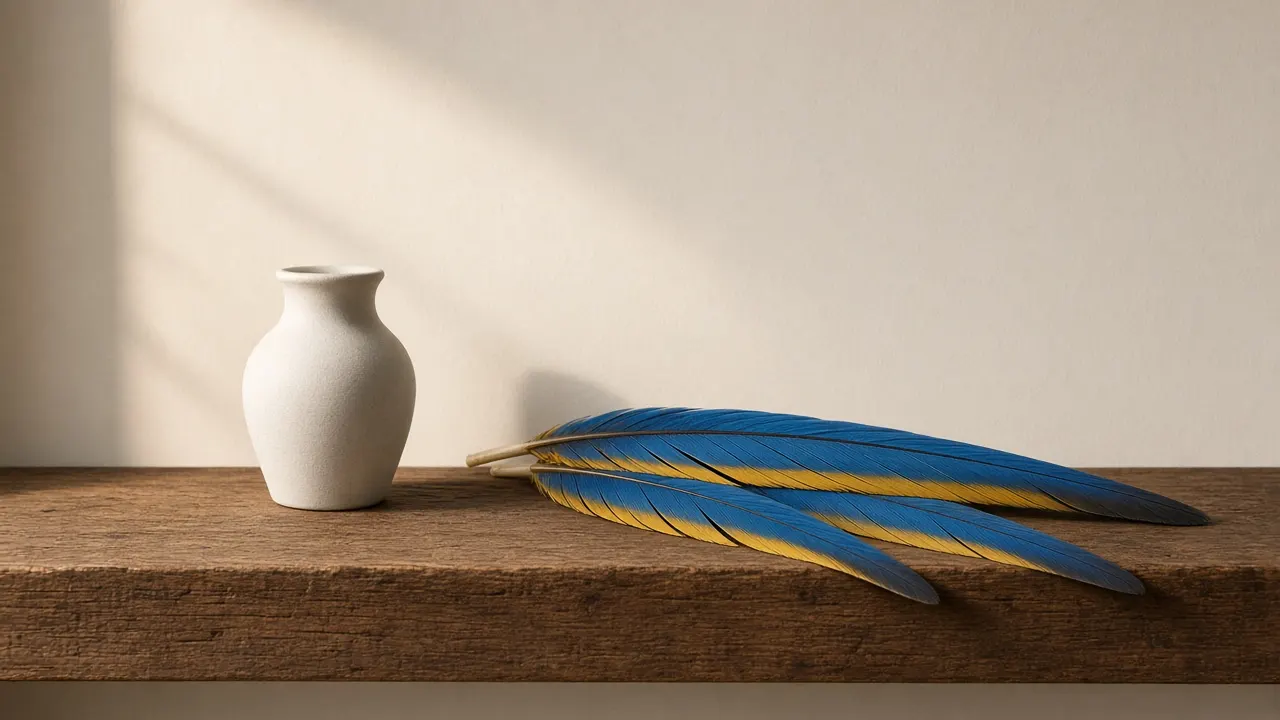
The ashes weight estimator shows the range to expect for your species before you choose. Our guide to micro-ash return for birds explains what the container may look like when it arrives.
Free tool
Ashes weight estimator
See roughly how much ash to expect back, by species and body weight.
Prices
What bird cremation costs, and why it isn't much cheaper
Most price lists start at a minimum weight band, and a bird sits at the very bottom of it. In the US, CareCredit's band for pets up to 30 lb lists communal $45-75; private $100-175[3]. A canary and a 25 lb dog can therefore land in the same bracket, because the handling, paperwork and chamber time don't shrink as much as the body does.
| Bird | Typical weight | Likely ash returned | Container that fits |
|---|---|---|---|
| Finch, canary | 10 to 30 g | Under 1 g to about 1.5 g | Locket, vial or glass charm |
| Budgie, lovebird | 30 to 60 g | About 1 to 3 g | Vial or tiny keepsake urn |
| Cockatiel, conure | 80 to 150 g | About 2.5 to 7.5 g | Keepsake urn (1 cu in or less) |
| African grey, Amazon | 350 to 550 g | About 10 to 28 g | Small keepsake urn |
| Macaw, large cockatoo | 800 g to 1.5 kg | About 25 to 75 g | Small urn (2 to 5 cu in) |
| Backyard hen | 1.5 to 3 kg | About 45 to 150 g | Small urn (up to 10 cu in) |
Ask for a written total that includes pickup, any after-hours fee and the container. If you want a figure before calling around, the cremation cost calculator builds a range from your bird's weight and your country. Our article on comparing written quotes for bird cremation shows which line items tend to hide.

Free tool
Cremation cost calculator
Estimate a realistic price range for your pet's size, location and the type of cremation.
Planning ahead
When a parrot has shared decades of your life
Some birds are with you for most of your adult life. The oldest parrot on record, a Major Mitchell's cockatoo at Brookfield Zoo, lived to at least 82 years[4]. Most pet birds don't come close to their species record, though, and knowing the typical figure helps you plan kindly. The Association of Avian Veterinarians' guide to senior parrots is the clearest source we know for those numbers.
budgie 5.5 yr; African grey 9 yr[5]
By our estimate, an African grey's median captive life is only about 19%[6] of the longest recorded. If your parrot is older, the pet age calculator shows where they sit in their senior years, and our planning page covers what to write down now, including who takes your bird if they outlive you.
Could your parrot outlive you, and is there a plan for that?
Tap an answer to vote and see how others answered. Anonymous.
Remembering
Feathers, voice recordings and other bird keepsakes
Feathers are the keepsake most bird keepers treasure, and they have to be collected before cremation. Choose a few from the tail or wing where the color is strongest, or gather molted feathers from the cage floor. If an infection was suspected, wait until your vet has ruled out psittacosis before handling feathers from the body.
- A feather shadowbox. A few flight feathers mounted behind glass, often with the leg band.
- Their voice. Many families find old videos of whistles, words or the doorbell impression and save the audio.
- The leg band. A closed ring from the breeder, removed by your vet and kept in a small box.
- A tiny urn or pendant. For a large parrot there's usually enough ash to share among a few pieces.
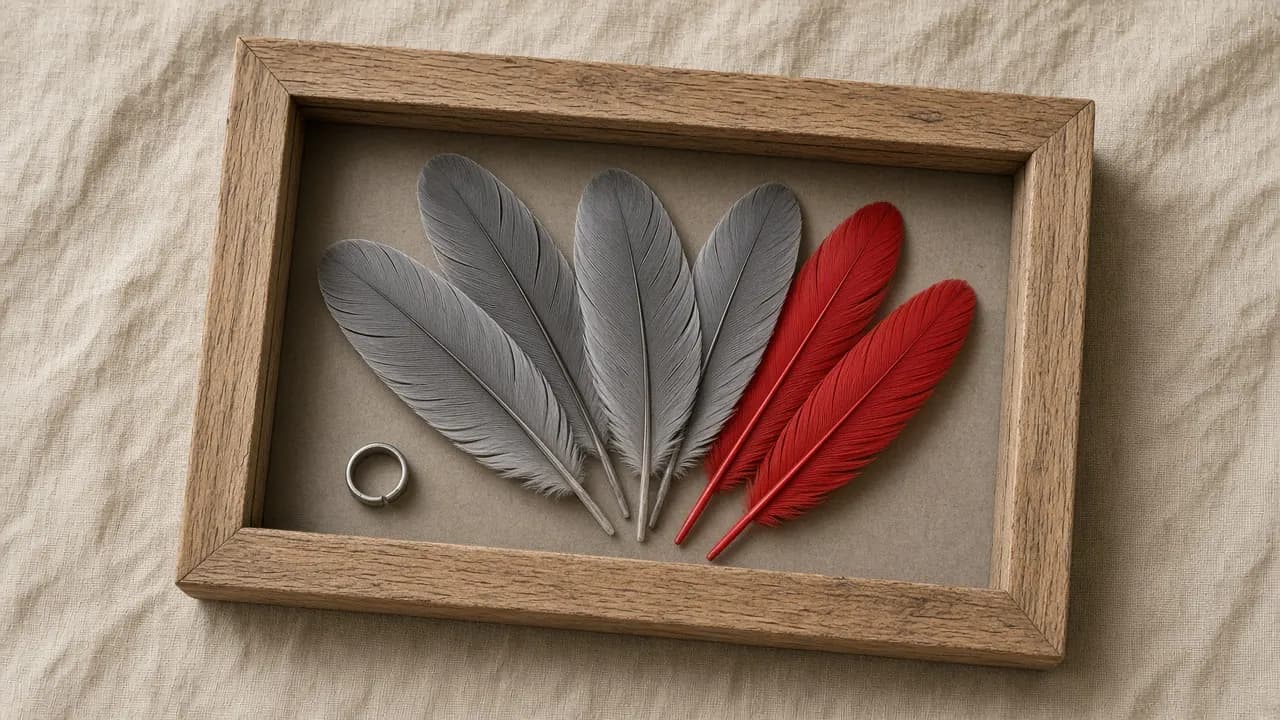
For more ideas, see feather shadowboxes and avian keepsakes and our list of memorial ideas that fit bird companionship.
Which memorial feels most like your bird?
Tap an answer to vote and see how others answered. Anonymous.
Before you agree to anything
Questions that sort avian-aware providers from the rest
Most pet crematories are set up around dogs and cats. Plenty handle birds well, but it's fair to check before you hand over something so small and so precious. These questions take a few minutes:
- Do you use a tray or separate container for very small birds so the remains can be recovered?
- Will you confirm in writing that the cremation is private, not partitioned?
- Can you set aside feathers or the leg band before cremation if I forget?
- Can you collect from an avian vet or a diagnostic lab after a necropsy?
- What will the ashes arrive in, and will you tell me if there's very little?
- If I have two birds, can they be cremated and returned separately?
Our full list of questions to ask a bird cremation provider explains what good answers sound like, and the services page covers parrots, small birds and flocks separately. Prices and pickup rules shift from one area to the next, so our local pages are worth a look, and the poll results show how other bird keepers made the same choices.
You're not overreacting
Why losing a bird can hit so hard
A bird fills a home with sound. When that stops, the silence can be the hardest part: no morning contact call, no one repeating the kettle. In the RSPCA's large pet-loss survey, 66.9%[7] of bereaved owners were surprised by how intense their grief was. Bird keepers often hear that a small pet should mean a small loss. It doesn't.
A surviving bonded bird may call for their partner, stop eating or pluck. Keep routines steady, spend extra time near the cage, and talk to your avian vet if appetite drops for more than a day. You'll find gentle next steps for yourself in grief after losing a bird.

Reader polls
What would you choose?
Vote anonymously and see how other readers answered. The results are live counts from people who visit this site, so they show real opinions, not a scientific sample.
Which bird are you thinking about today?
Tap an answer to vote and see how others answered. Anonymous.
If a small bird returns only a pinch of ash, would you still choose private cremation?
Tap an answer to vote and see how others answered. Anonymous.
If you had to decide today, which aftercare would you choose for your pet?
Tap an answer to vote and see how others answered. Anonymous.

Free tools to help you plan
Ashes weight estimator
See roughly how much ash to expect back, by species and body weight.
Cremation cost calculator
Estimate a realistic price range for your pet's size, location and the type of cremation.
Pet age & senior years calculator
Convert your pet's age and see when senior-care and planning conversations usually start.
Questions people ask
How much does it cost to cremate a bird?
Usually about the same as the smallest weight band for other pets. In the US that is roughly $100 to $175 for a private cremation and $45 to $75 for communal, before pickup, after-hours fees or an urn. Prices vary a lot by city, so ask for a written total that names the species and says private.
Will I get any ashes back from a budgie or finch?
Usually a small amount, sometimes only a gram or so, and some providers are candid that very small birds may leave little that can be recovered. Ask whether they use a tray for small bodies. If ashes matter less to you than something to hold, feathers collected before cremation can be the more lasting keepsake.
Should I freeze my bird until the cremation?
If you're certain you don't want a necropsy, freezing is fine and gives you more time. If you might want to know why your bird died, refrigerate instead, because freezing damages the tissue a pathologist needs. Wrap your bird in a paper towel, seal them in a bag and call your avian vet within a day or two.
Is it safe to handle my bird's body?
Usually, with simple care. Wear gloves or wash your hands thoroughly, avoid shaking feathers near your face and keep other birds away from the body. Psittacosis and avian influenza are uncommon in pet birds but can spread to people or other birds, so if several birds are sick, call your vet before handling anything.
Can two bonded birds be cremated together?
Some families ask for this when birds die close together or want a later bird placed with a partner's ashes. Many providers can cremate two birds in one private cremation if you ask in writing, but the ashes will then be mixed. If you'd prefer separate urns, ask for separate cremations and clear labeling.
What size urn does a parrot need?
Smaller than most people expect. An African grey or Amazon typically returns under an ounce of ash, which fits a keepsake urn of about 1 cubic inch. Even a large macaw rarely needs more than 3 to 5 cubic inches. Our urn size calculator works it out from your bird's weight.
Keep reading

Bird cremation services
Small bird, parrot, flock and feather keepsake options in detail.

Find bird cremation near you
Local prices, rules and collection help for your area.

How tiny ashes are returned
What to expect when there is only a little to give back.
What other bird keepers chose
Live results from our reader polls.
Sources and our estimates
- [1] Embrace notes cremated remains typically weigh about 3-5% of the pet's original body weight. Embrace Pet Insurance - Bury or Cremate Your Dog? Costs, Pros & Cons, 2025.
- [2] Wild bird surveillance recorded 15,542 H5Nx HPAI detections in at least 193 wild bird species between December 2021 and September 2025, including 8,073 in sick or dead birds. USDA APHIS CEAH - Status and Epidemiologic Analyses of HPAI-affected Poultry Flocks, September 30, 2025 Interim Report, 2025.
- [3] CareCredit's pet cremation guide lists US communal cremation at $45-$75 and private at $100-$175 for pets up to 30 lb. CareCredit (Synchrony) - How Much Does Pet Cremation Cost? (Sept 2023), 2023.
- [4] The oldest parrot on record, Cookie, a Major Mitchell's cockatoo at Brookfield Zoo, was at least 82 years and 88 days old when he died on 27 August 2016. Guinness World Records - Oldest parrot ever, 2016.
- [5] Median life expectancy in captivity is 5.5 years for budgerigars, 9 years for cockatiels and 9 years for African grey parrots, versus captive longevity records of 18, 35 and 48 years. Association of Avian Veterinarians - Care for Senior Parrots (client handout), Table 1.
- [6] African grey parrots' median captive life expectancy (9 years) is only about 19% of their captive longevity record (48 years); for macaws it is 43% (21 of 49 years). Our estimate: 9 / 48 x 100; 21 / 49 x 100. How we calculate.
- [7] 66.9% of respondents were surprised by how intense their grief was after losing a pet. RSPCA — Pet Loss Survey Results, 2026.
Get bird cremation options near you
Tell us what you need and where you are. We'll reply by email with clear options and prices so you can decide in your own time.